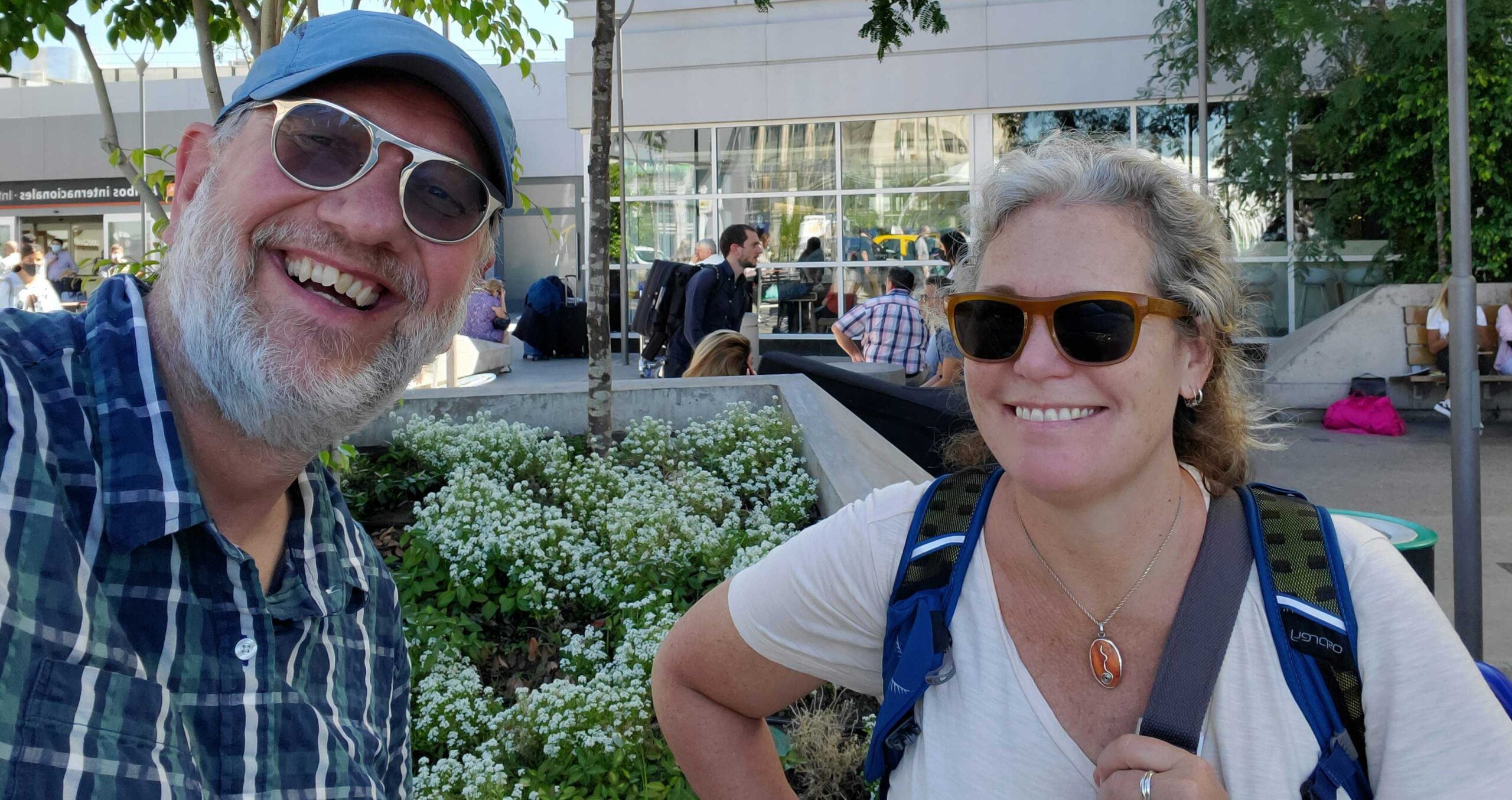
Our jump from Canada to Central Europe on 23-August and constant travel has left a few areas uncovered on our blog. Since we left Canada, we’ve been through Slovenia and Croatia and are now sitting in an apartment above the main tourist drag in Sorrento, Italy. Hard to believe almost two months have passed. Fortunately, we have some down time that lets us look back and share our last travels through Canada. Unfortunately, many of the areas we visited in Cape Breton and Newfoundland also were recently hit by Hurricane Ian and will likely not be the same ever again. We wish the residents of those areas the best in their recovery and now share the beauty we found there.
Our trail to Newfoundland started with a tour around Cape Breton Island along the Cabot Trail in northeastern Nova Scotia. Then we caught the overnight ferry from Sydney, Nova Scotia, to Newfoundland.
The Cabot Trail
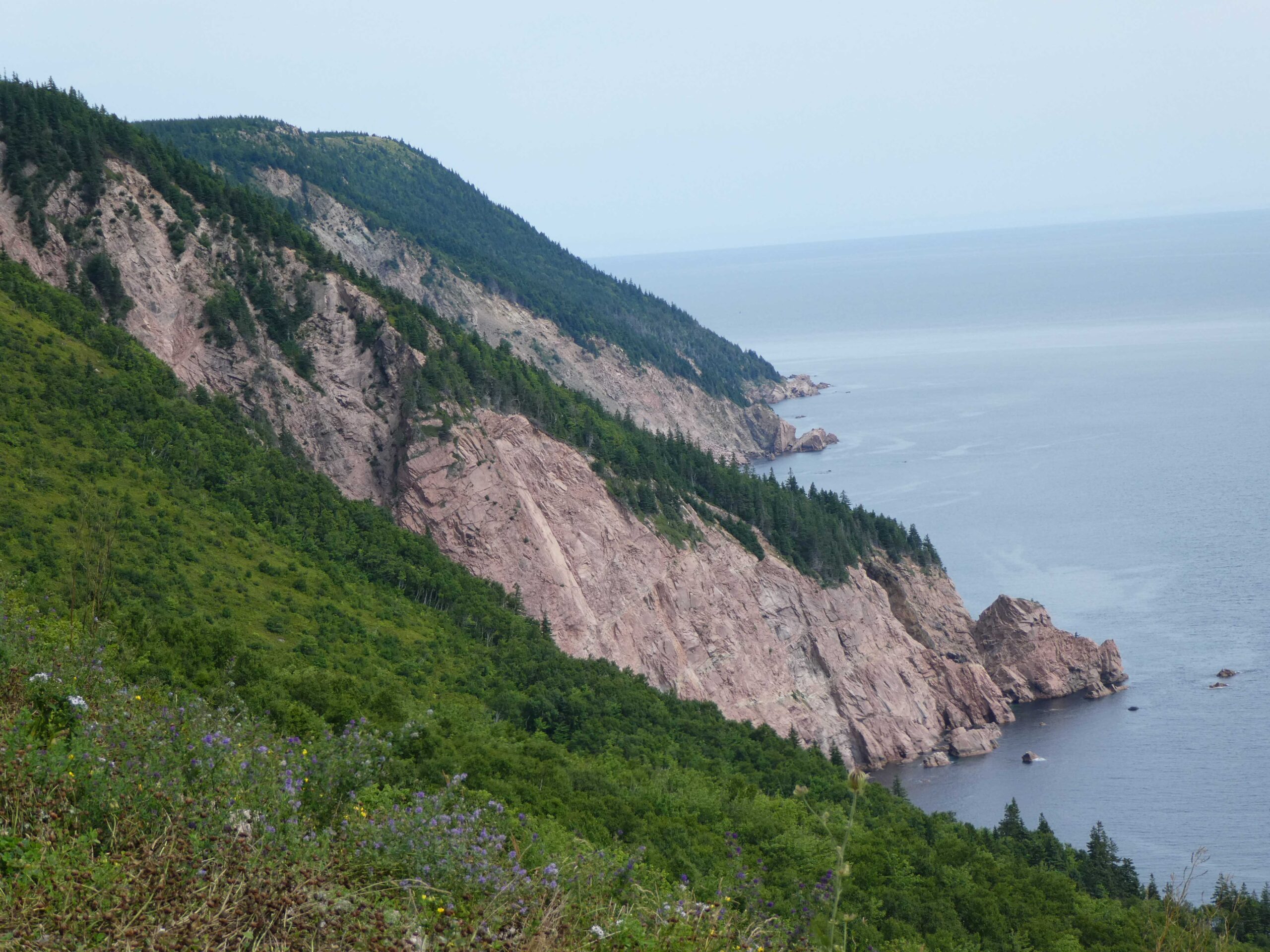
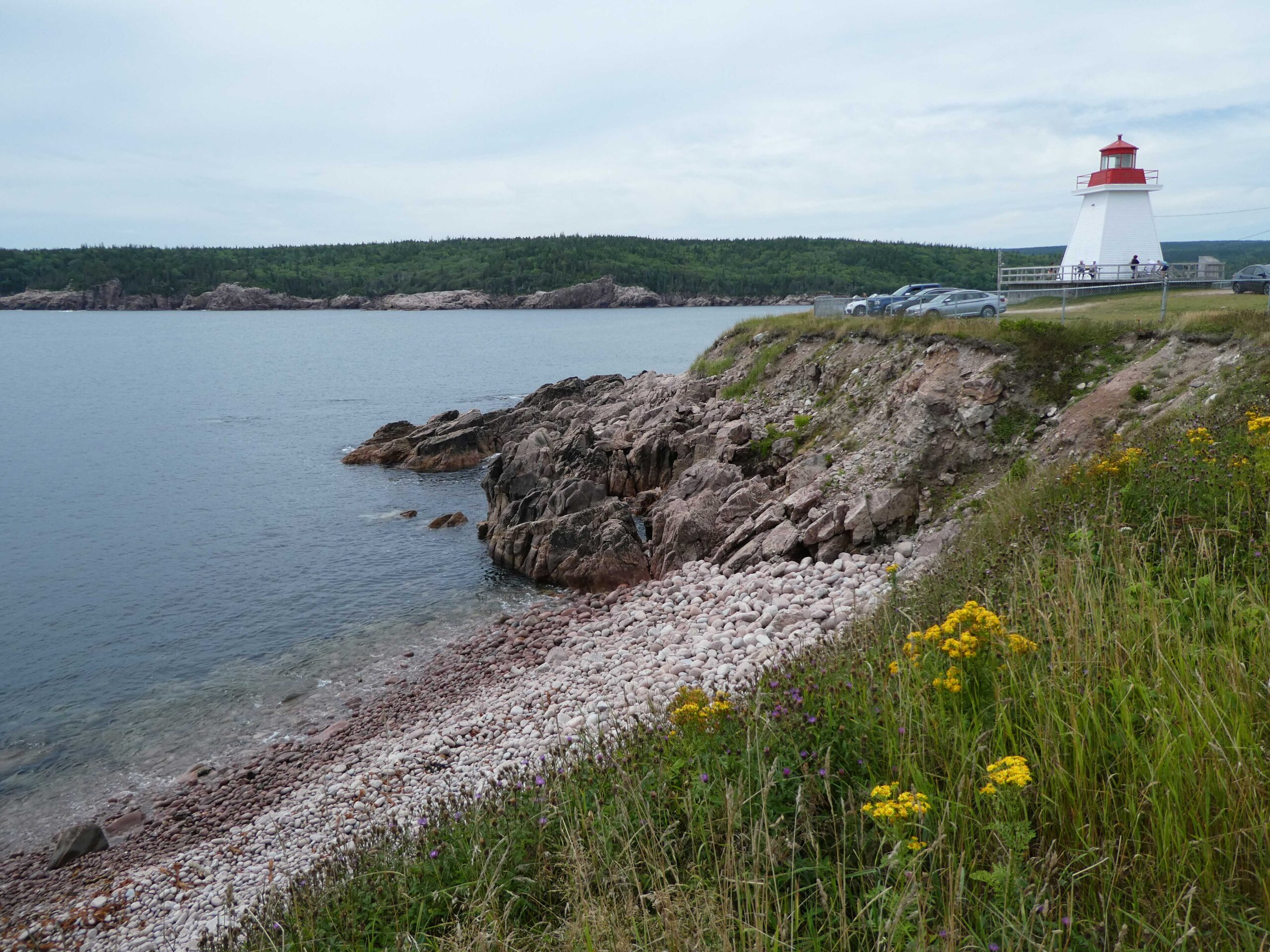
The Cabot Trail welcomes visitors with striking seaside cliffs and endless views often decorated with the occasional lighthouse.



You can take in a lot just by driving the circuit around the island and enjoying the coastline, but those who make the occasional stop or have time for a small hike into the interior will discover some amazing hidden landscapes. This lush green interior lake we discovered along the Trail is a good example.

Great views are not hard to find and obviously everywhere you look. What isn’t easy to find is good food. It seemed like there were few places to get lunch and a great need for places for tourists to stop along the way. A great example of this is what we found at Neil’s Cove. Our guide book recommended that we stop at a little fish and chips joint for a bowl of chowder and a nice view of yet another lighthouse. Seems simple enough, and what was described is exactly what we found.
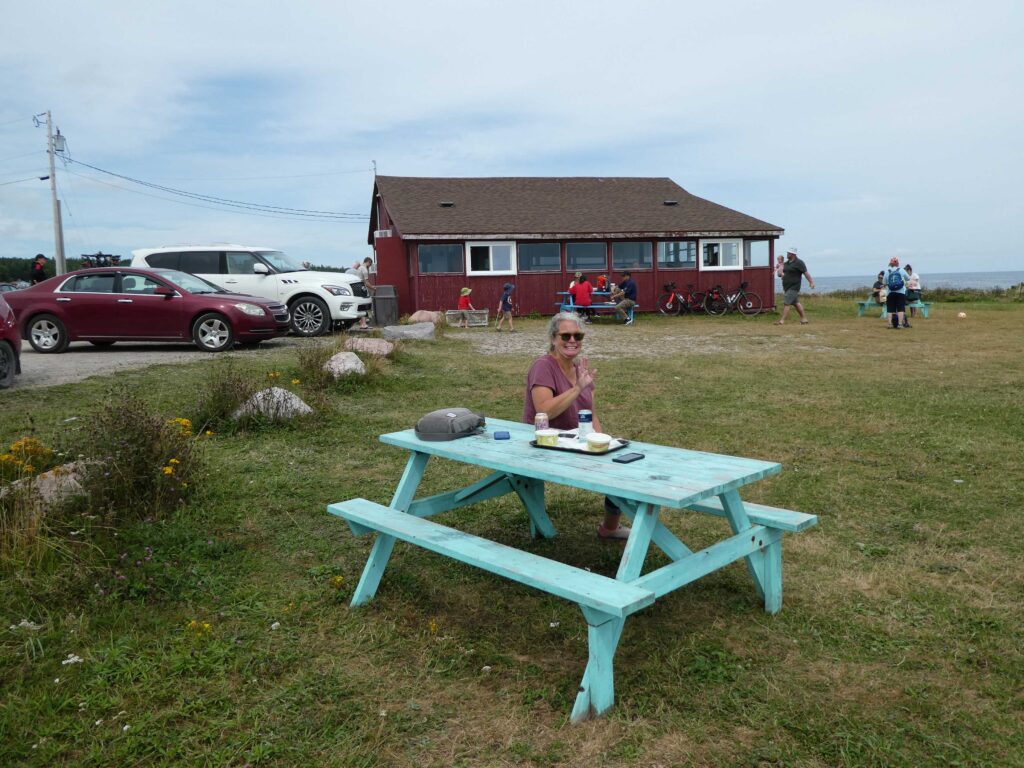
Looks quaint enough and not too busy. Actually, it is trick photography, something we’ve gotten very good at during our travels. If you wait long enough, you can get great shots with not very many tourists. What this picture excludes is the fact that there were probably a dozen other picnic tables like this one along the cove and easily 200 people. We squeezed our way inside, got in line, and discovered that the actual wait for a simple order of fish and chips was TWO HOURS! Not a typo or hyperbole. Who has two hours to wait for fried fish. If you’re looking for a business opportunity, this place needs some competition. Luckily, I asked if it would also take two hours for them to put a scoop of chowder in a bowl to go. Fortunately and sanely, the answer was “no.” We happily grabbed our two bowls of chowder and biscuits and got very lucky to snag this picnic table from the throngs of tourists. And we both agree, it was some of the very best chowder we have ever had. That is no lie. We were a bit dumbfounded, but happy that we stopped.
Cape Breton Island has a lot of natural features that are unique in the world, but it also has some human-made attractions that are also unique. Our splurge for this section of the trip was an overnight stay at the oldest single malt distillery in North America, Glenora Distillery. (While having dinner at the distillery, we also discovered the area is home to bucket list golf. People were paying more than $400 for greens fees for a chance to play in the rain at Cabot Links. Who knew? Golfers, I guess.)

You can read about the history of the distillery and its battle with what seems like the entire country of Scotland to use the term “glen” in their name on the distillery’s website. A short summary is that a man with a vision identified this unique property, technically and legally in a glen as determined by international courts (really!) and set about building a single malt distillery. Tragically, he died before a single bottle was made, but others carried on his vision. Today, the Glenora distillery is basically a whiskey resort with lodging and two restaurants.
The river on the property supplies the water for the distilling, and the cold Nova Scotia winters actually allow for the distilling process. Temperatures run so high inside the building when distilling is in process that they can only make whisky November to January.
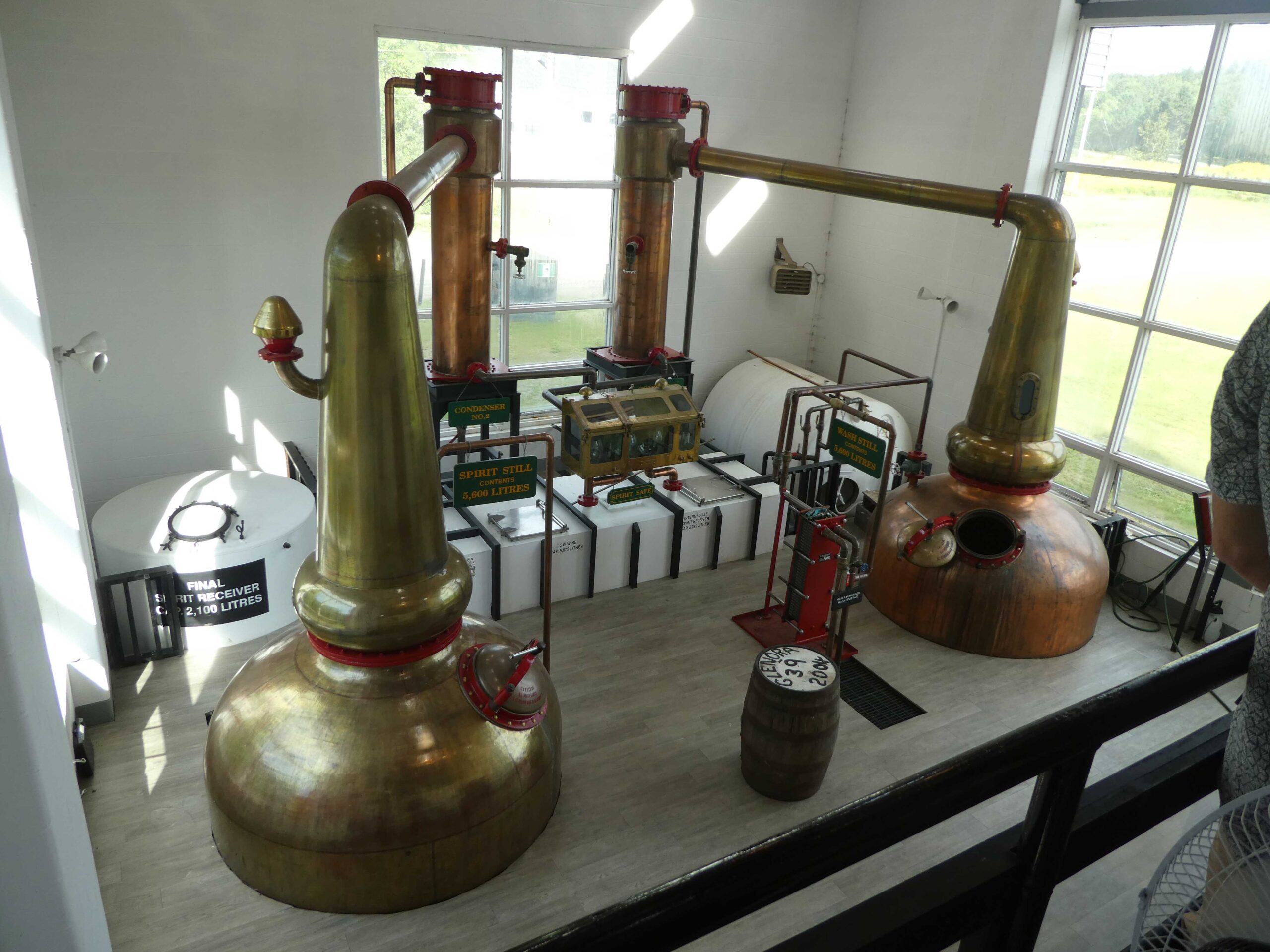
Glennora single malt whiskey is a pure product made in all the traditional ways with only barley, yeast, and water. In this picture, you can see the mash tuns in the background where the whisky mash is made and then transferred to the huge wooden fermentation tanks in the foreground.

You can see in the picture that they keep them full of water throughout the year to maintain the moisture level in the wood to prevent shrinking and leaking–two things that are never good in any situation!
Anyone who has ever brewed beer knows that if you did your job right, foam from the yeast will spill out of the top of your fermenter. Homebrewers often use an overflow tube draining into a growler. Coming from that background, I naively asked the distiller giving our tour what they did about the yeast overflow. He was a bit puzzled about the question until I explained myself. The reason he was confused is because they do nothing at all to control the overflow. Imagine the tops of these tanks overflowing with foam and onto the floor! He said it is ankle deep and goes everywhere. The easiest way to get around the yeast overflow problem is not to worry about it. They just let the tanks bubble until the yeast has had enough and then hose down the mess when the process is finished.
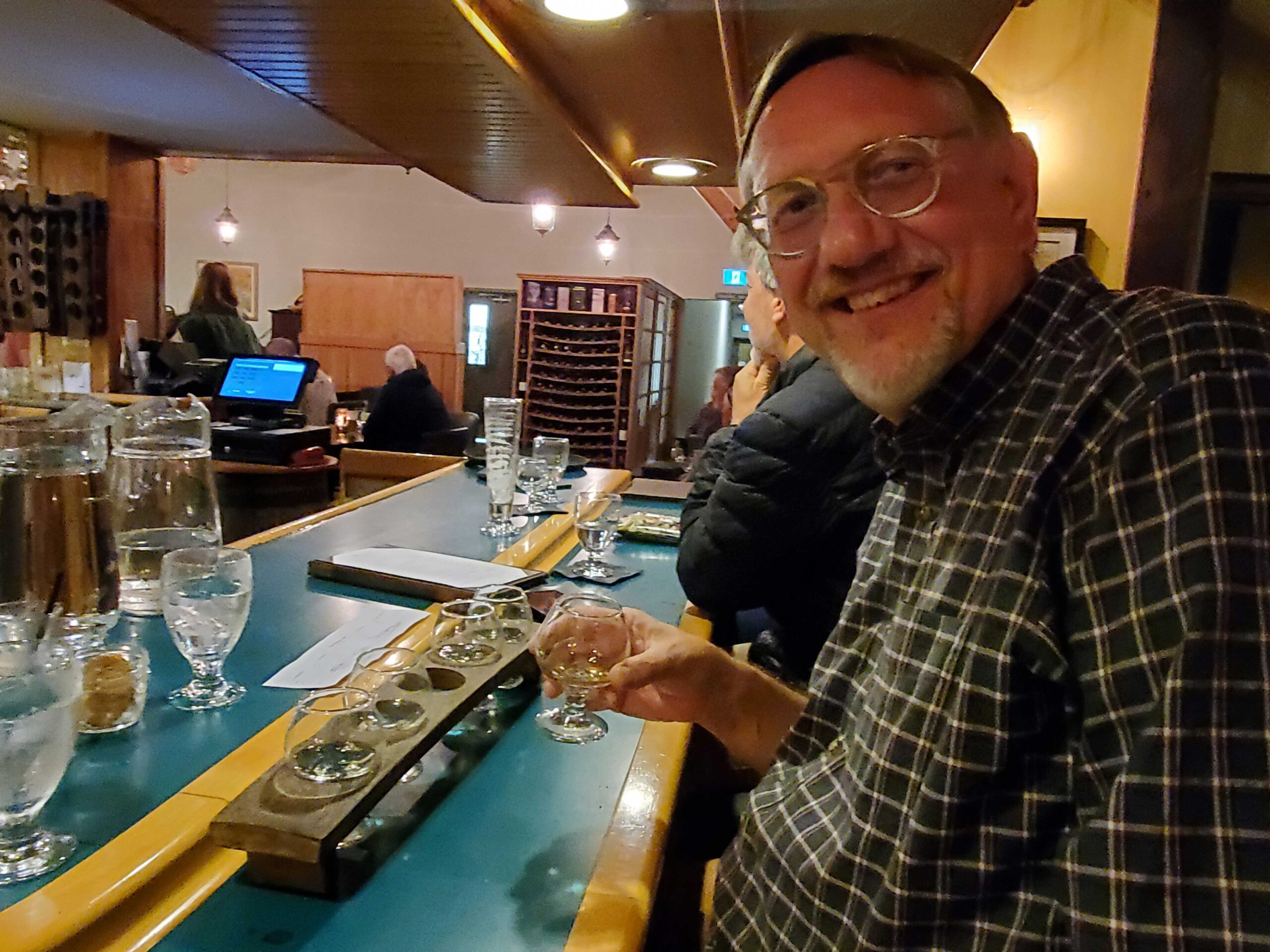
Of course, we were there for the final product. We enjoyed dinner in the restaurant and had some tasters of their products before heading out for the ferry to Newfoundland the next day.
Newfoundland
Planning a trip on the fly can have its downsides. One we encountered was planning too much in too little time. Availability and prices of rental cars in Canada limited the amount of time we had to explore the Eastern Provinces. It also meant that we only had three far too short days to explore Newfoundland. We had to make a choice. If we took the ferry to the province’s capital of St. Johns, we wouldn’t have time to do any hiking or take day trips in the Gros Morne National Park on the other side of the island. We discussed the problem with several Canadians and did some research. While St. Johns is extremely picturesque as seaside towns go, there were just too many unique geographical features in Gros Morne to pass up. We apologize to St. Johns and hope to visit some day. When you see the pictures we’re about to share, I think you’ll agree we made a wise choice.
As mentioned before, we took the overnight ferry from Sydney, Nova Scotia to Port aux Basques, Newfoundland. If you’ve never done it, you won’t quite understand how impossible it is to sleep in reclining ferry seats (cabins were all sold out). When we finally got off the boat the next morning, we were exhausted and starving. Luckily, and not without some searching, we found a dinery breakfast in a weird shopping mall kind of place (can’t really describe it otherwise) just outside the ferry terminal. After breakfast, we only had about a two-hour drive to get us to Corner Brook and our next hotel. I’m not sure how far we actually got, but we weren’t even halfway there before we both decided to pull over for a nap. We just couldn’t continue on without a roadside snooze in the car.
We did eventually get to Corner Brook. Not much to report there other than we stayed in a hotel past it’s glory days and waited way too long to get into our hotel room. The town, as was much of Canada, was overrun, and we had a hard time finding restaurants. We actually found lunch and dinner in two different breweries, each with excellent food and beer. Shouldn’t complain too much. We chose Corner Brook because it was halfway to our first destination in Gros Morne National Park: Western Brook Pond. It was also the only room available for the night. Whoohoo, summer travel.
Western Brook Pond
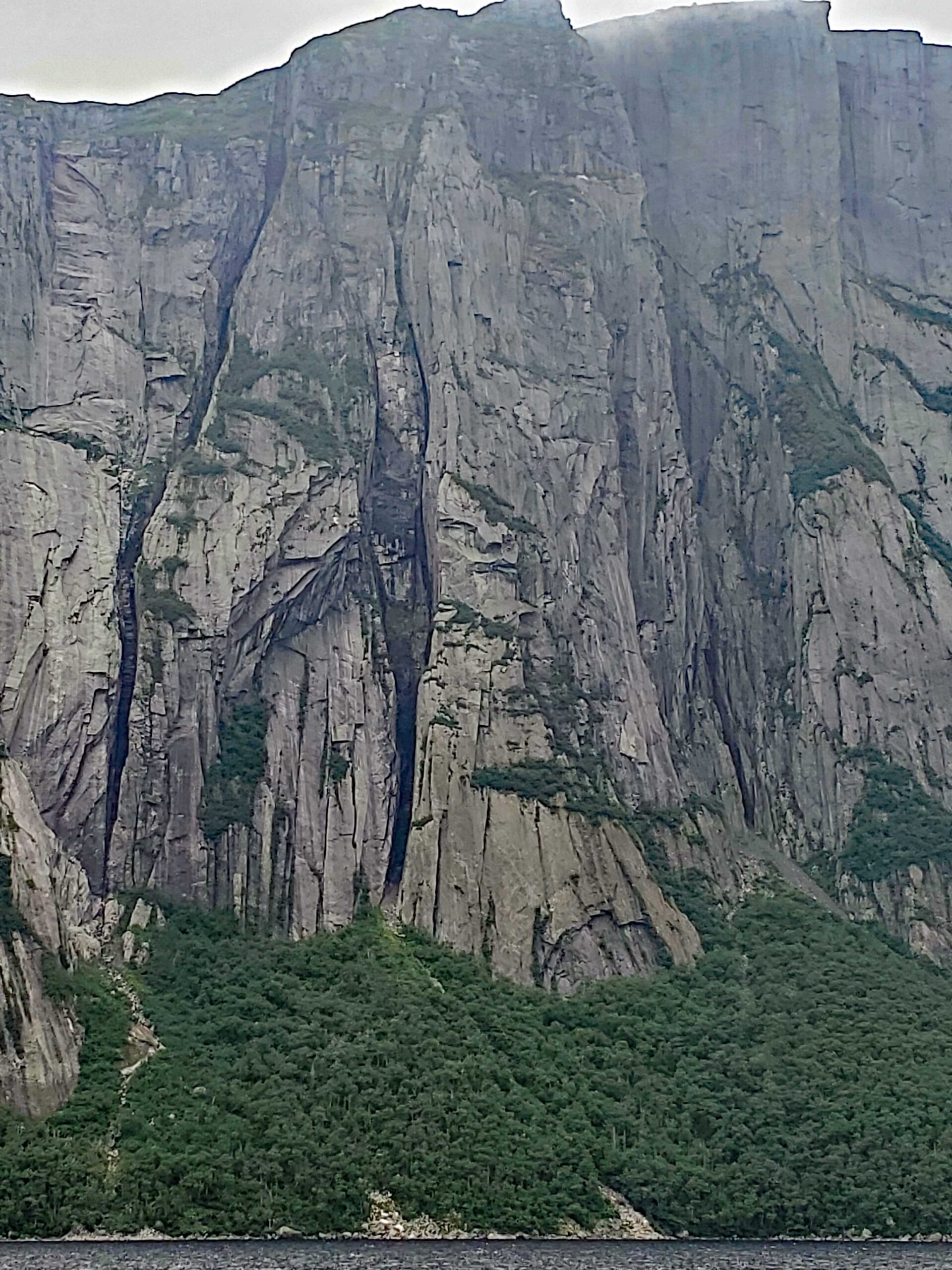
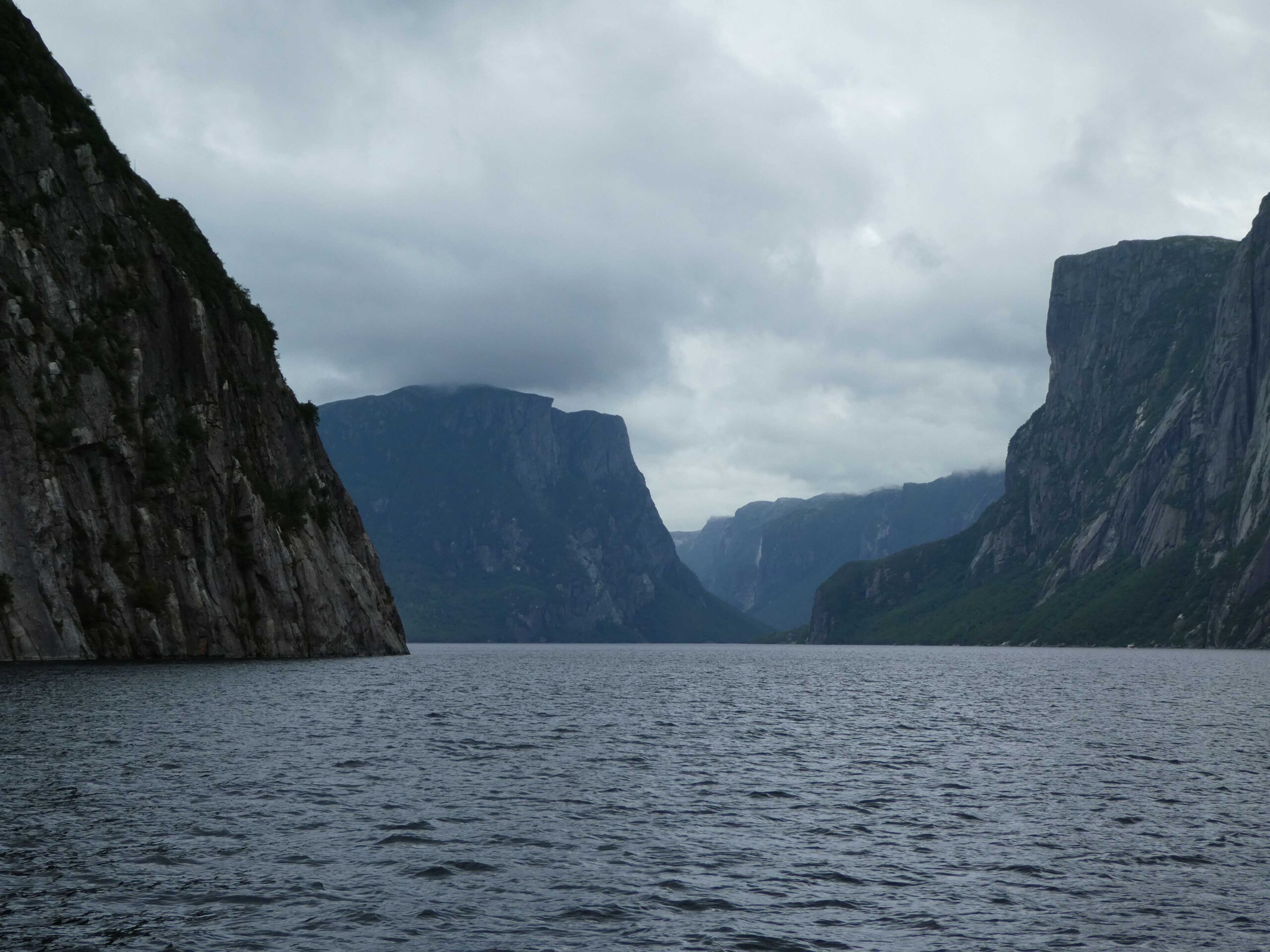
Western Brook Pond is very modestly named. It is actually a huge fjord now landlocked and faced with an amazing and not very small lake. As spectacular as the fjord is, the wetlands leading to the lake and our boat tour were just as impressive. Here’s just a taste of the views along the 45-minute hike to the boat dock on the real lake.
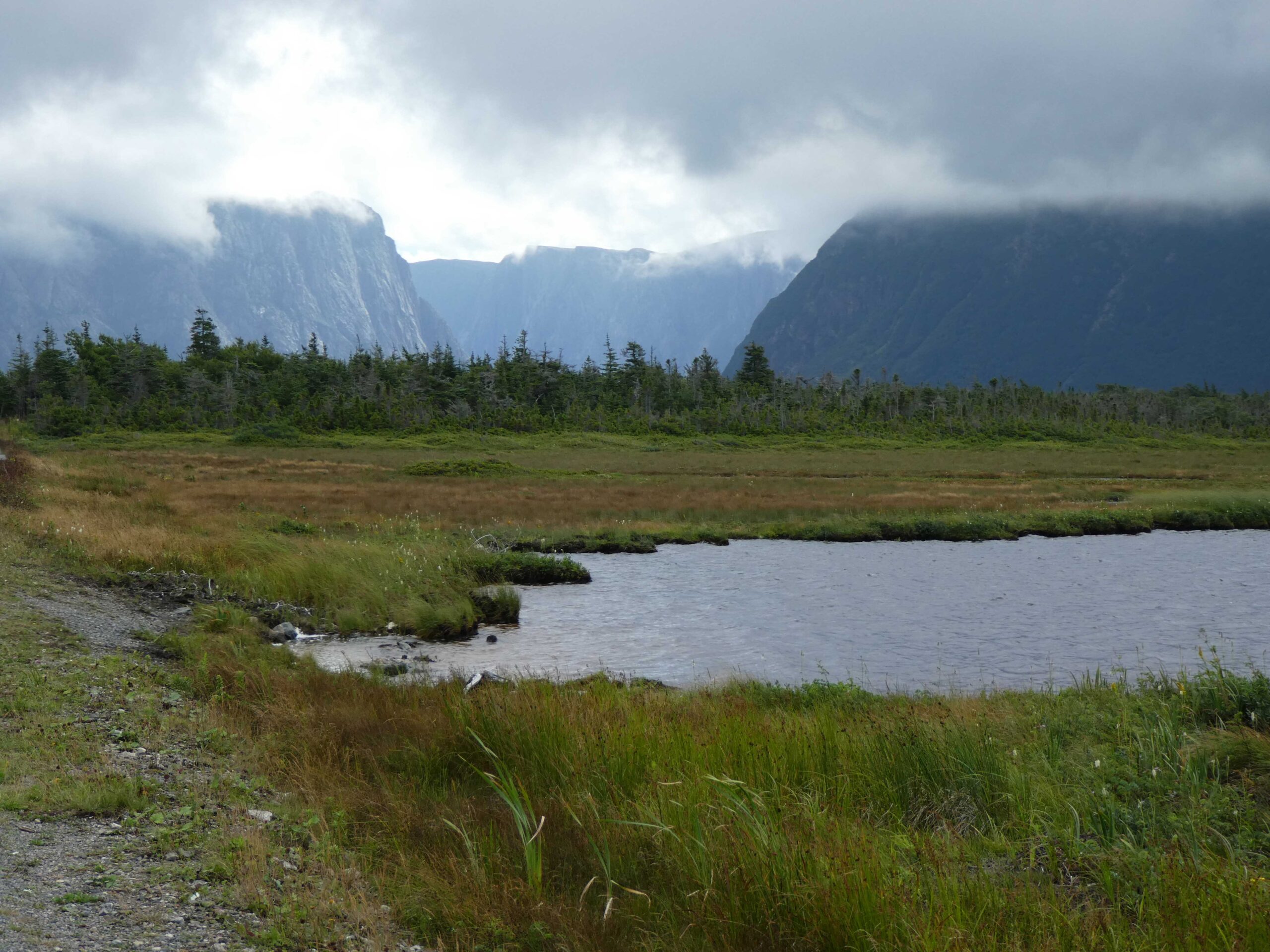
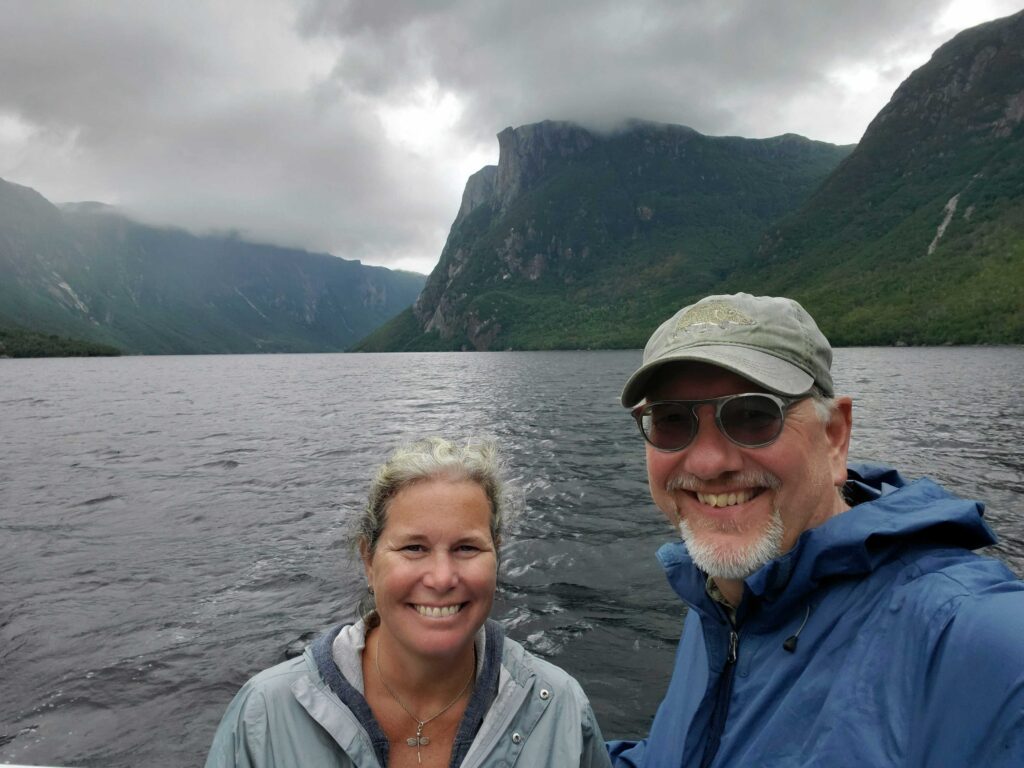
The cliffs of the fjord are quite huge and imposing, with waterfalls running down all along the coastline. We have a million pictures, but can only share a few. Here are some shots from our boat ride on the lake. The one of the cliff face is the “tinman” feature, one of the natural highlights of the tour. You’ll have to look closely to the middle of the picture to pick out the face. I can only say that being among the fjords makes you feel very, very small in the universe and along the scale of time. It is amazing and humbling.
The Tablelands
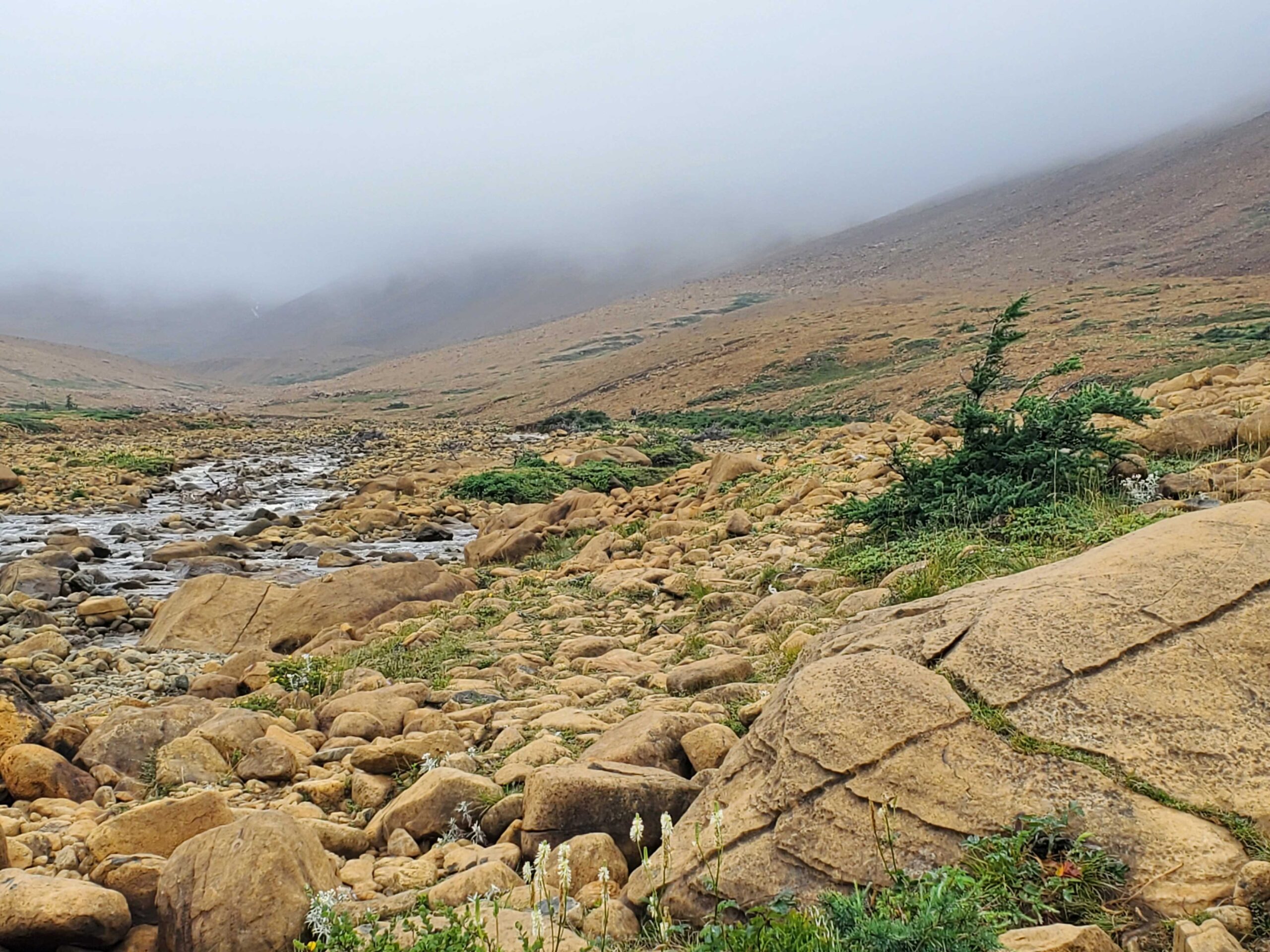
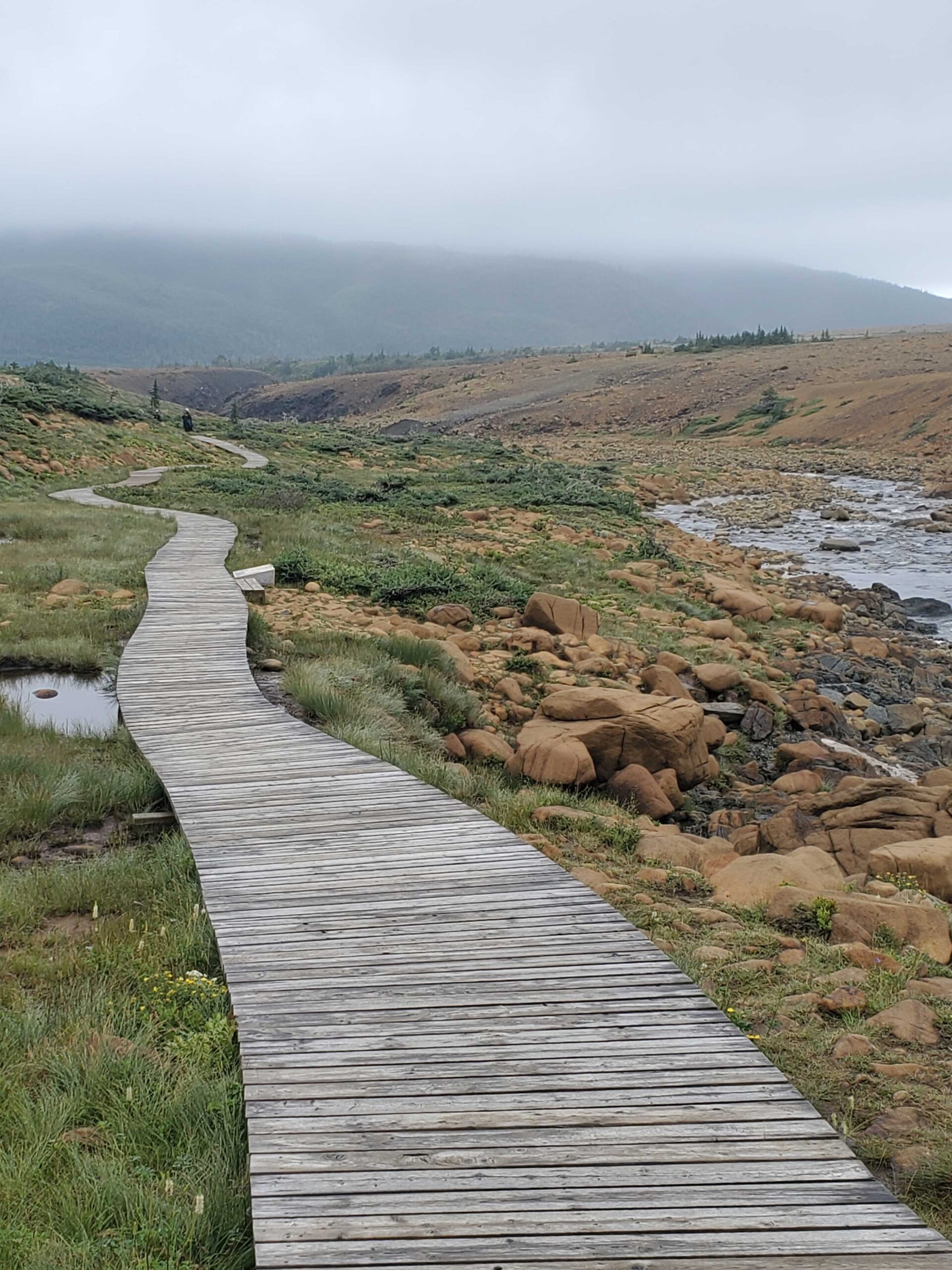
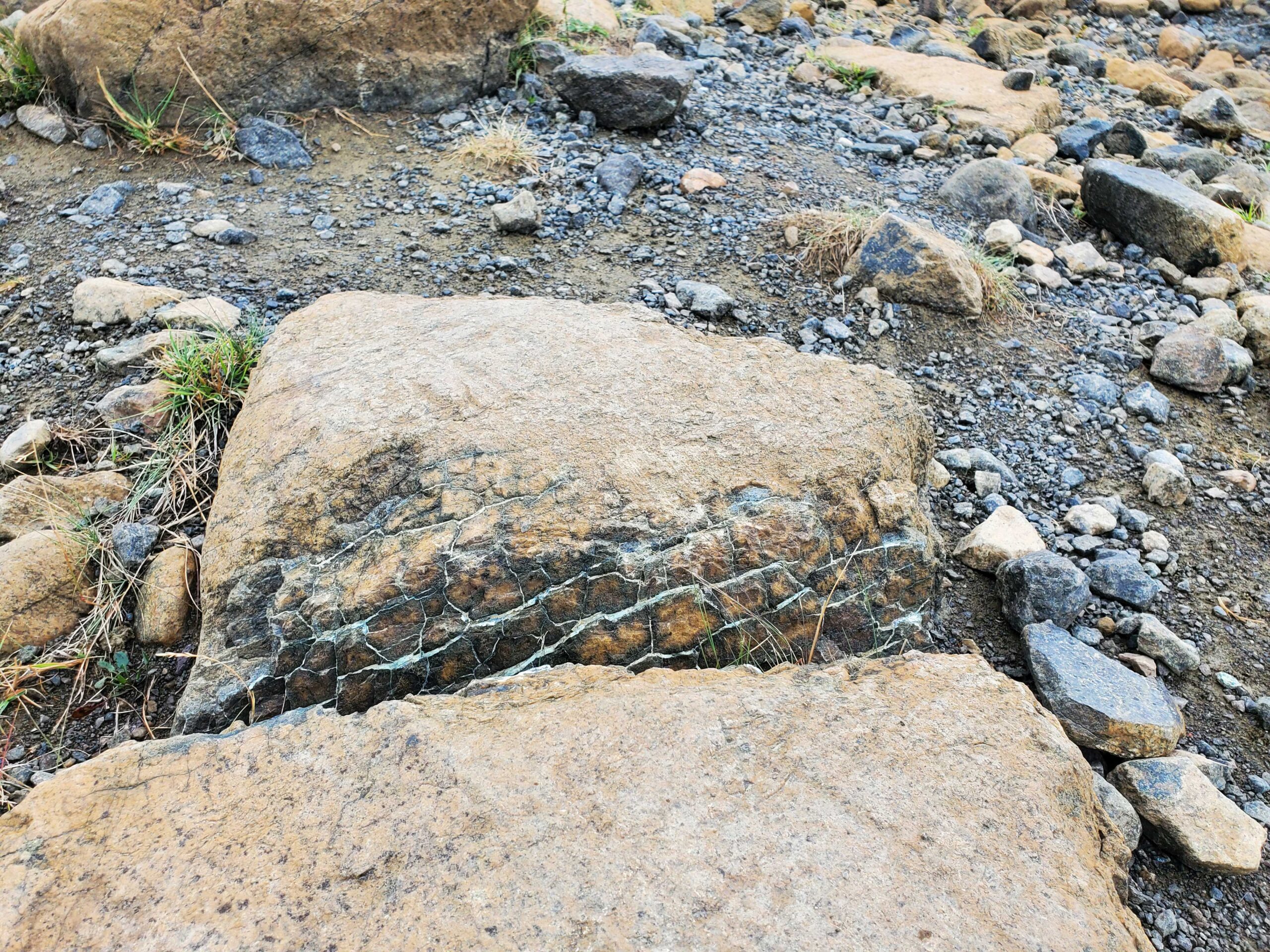
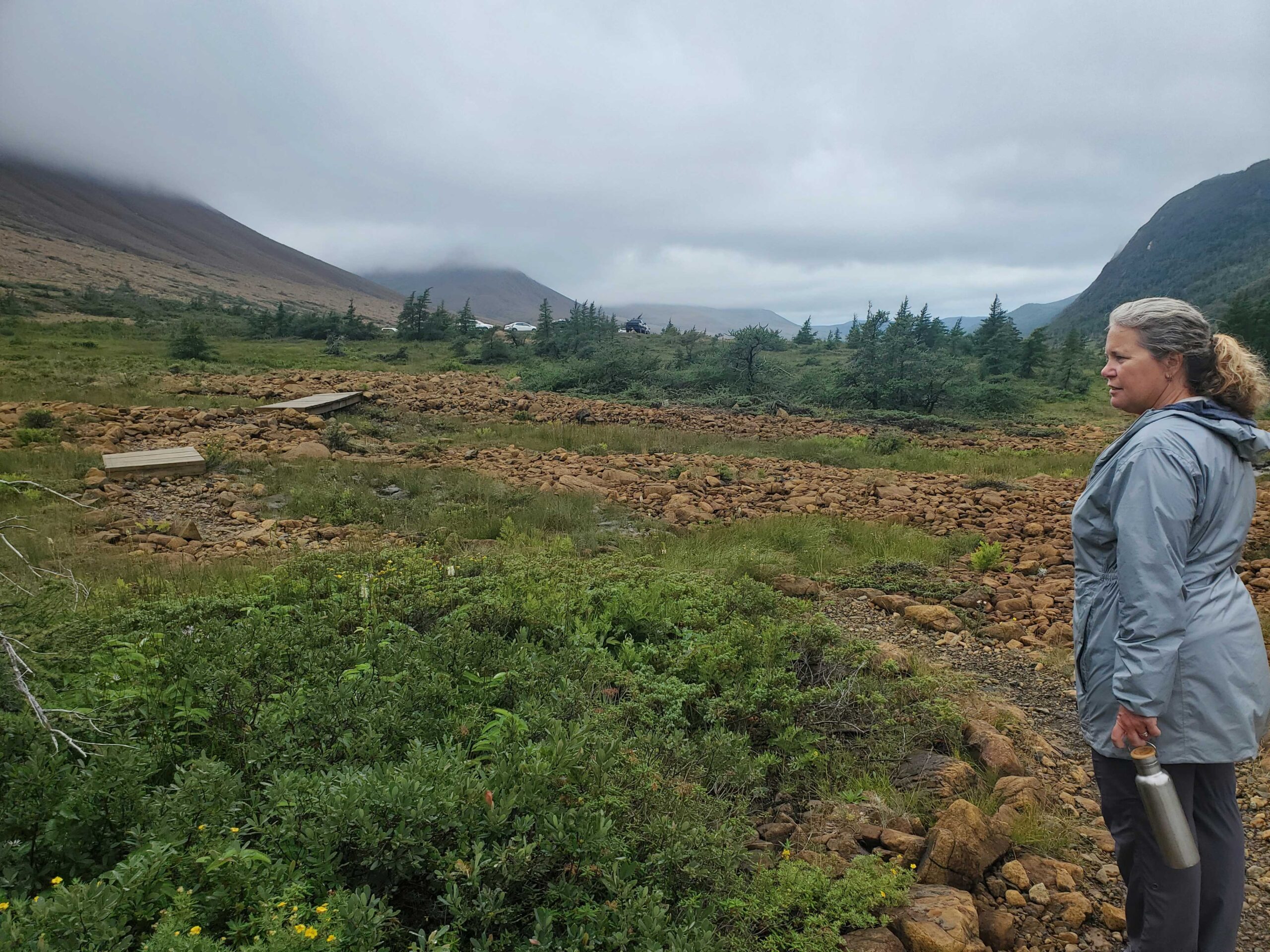
Gros Morne National Park has a unique combination of geologically unique landscapes. Drive just a few minutes from the fjords, and you’re in a rocky moonscape that seems out of place with the rest of the vibrant green of Newfoundland. The Tablelands was formed when material from the earth’s mantle was forced to the surface during a plate collision. The high iron content gives it a brownish color instead of the typical black you’d find in a lava field, and the mineral composition creates serpentine patterns in the rocks.
Green Point
And then, we have Green Point. It was literally simply a hiking trail marked on our National Park map that seemed to be within our driving distance and wasn’t too long to hike in the time that we had. We took a rather normal looking dirt road off the main highway and came to a small parking lot filled with RVs near a coastal cliff. Didn’t seem like it was going to be much of a hike, but it was close to the ocean. What we found when we walked down a narrow staircase to the shore could not have been more unexpected.
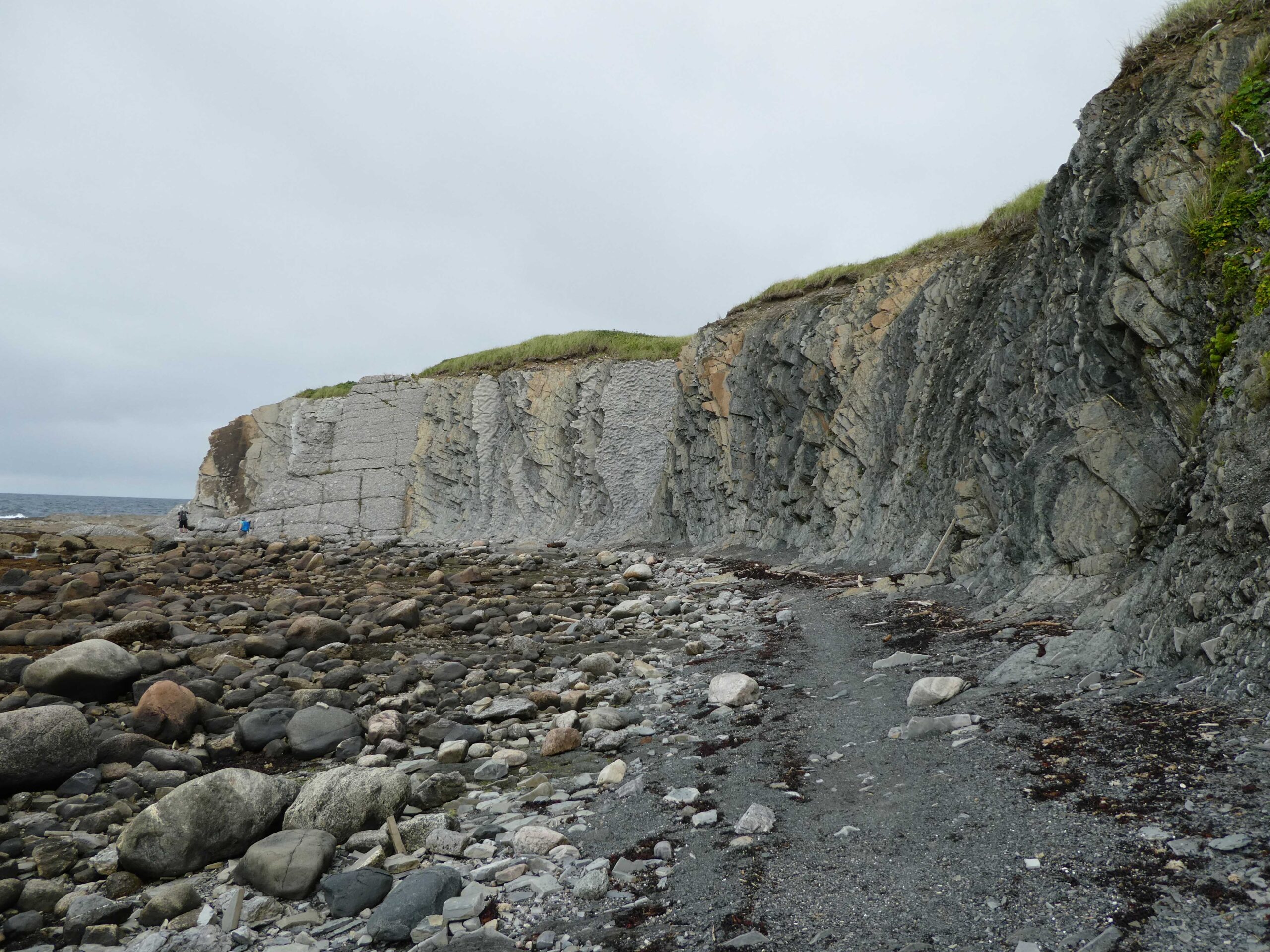
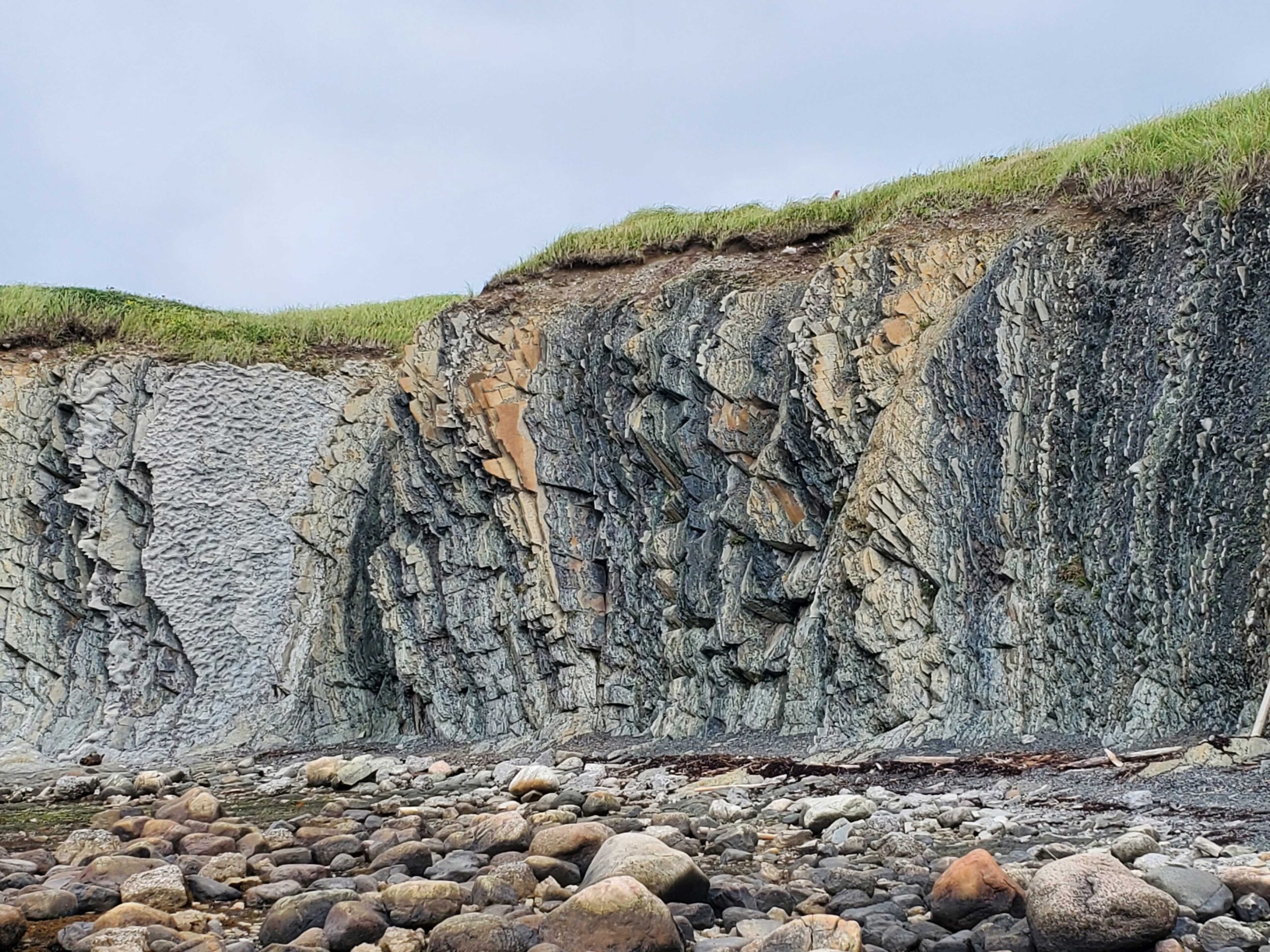
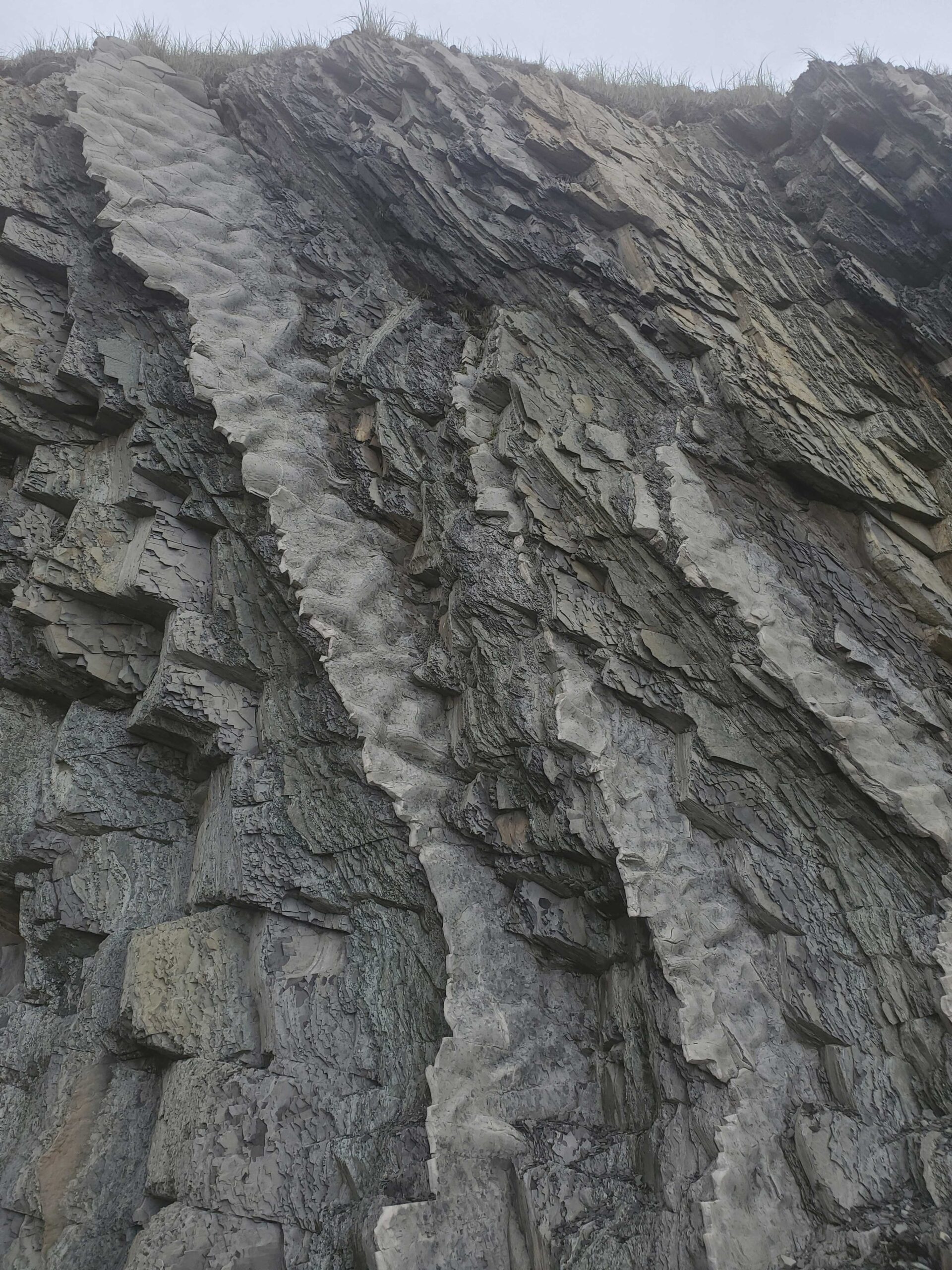
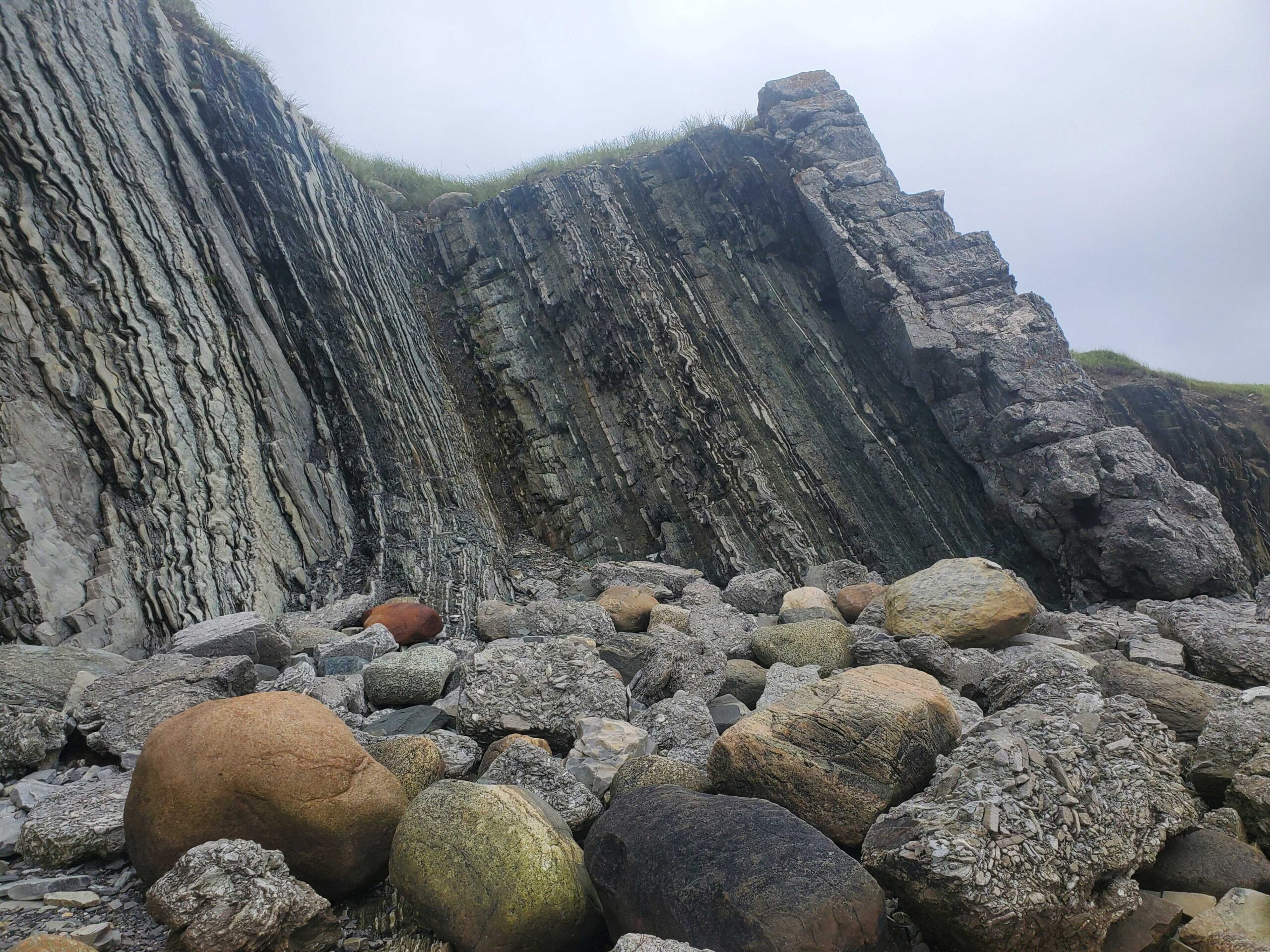
There’s a whole lot of geologic reasons why the cliffs formed like this, creating a huge variety of textures. We won’t even try to to explain what happened here or why it is significant. Turn around, and the veins from the cliffs continue out into the water in a long flat coastal plain.
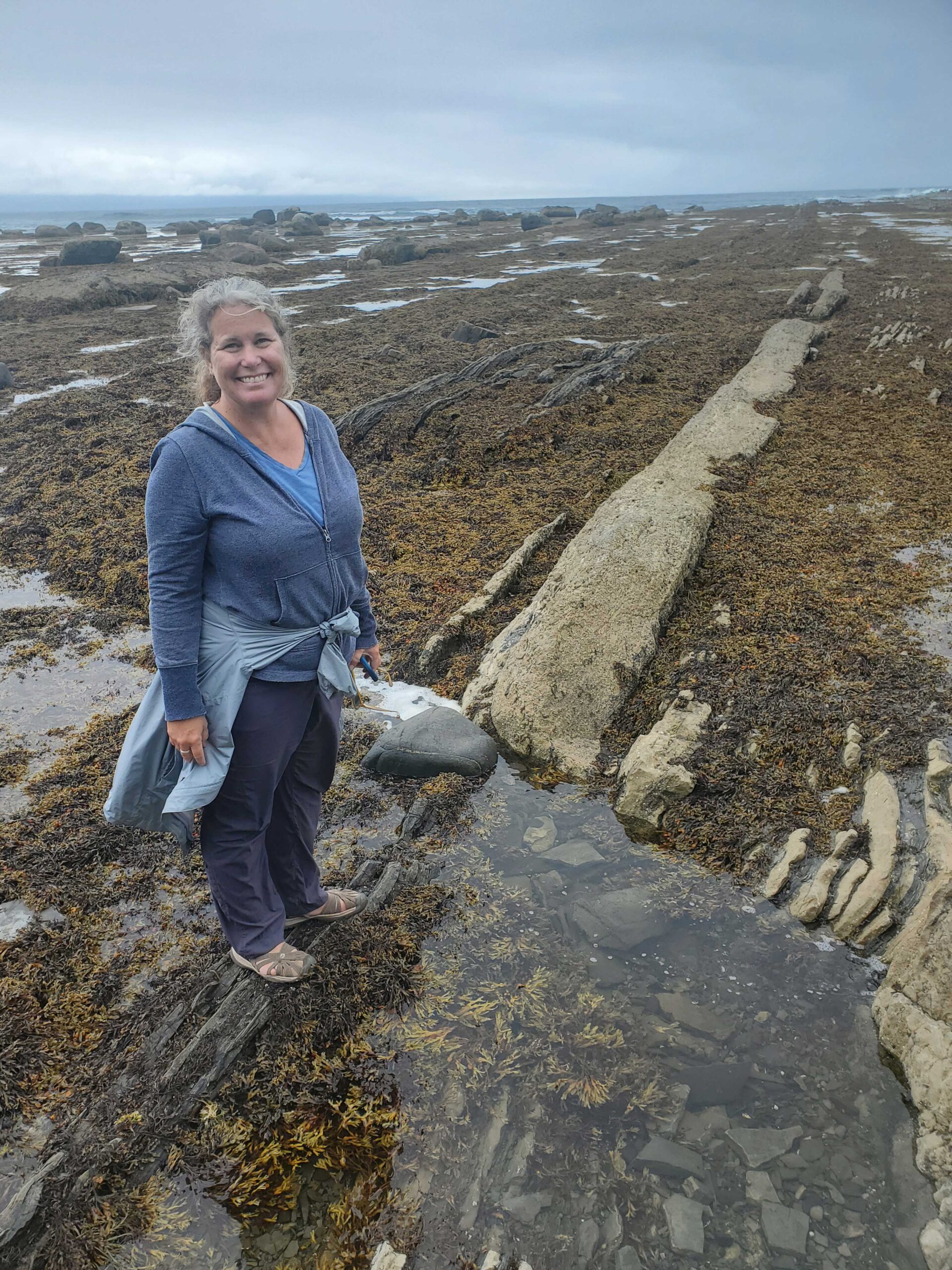

Search long enough, and you’re supposed to be able to find fossil remains in the exposed rocks. If it wasn’t already fantastical enough, why don’t we just throw in a few multi-colored fishing shacks down the shore. We hope they’re still there today after hurricane Ian.

We didn’t get near enough time in Newfoundland, but what we found in a few days didn’t disappoint. In just a few hikes we saw natural wonders not found in many other places in the world and certainly not in one place. On our last night in our base in Rocky Harbour, we also received a wonderful sunset to cap everything off that we’ll share here.
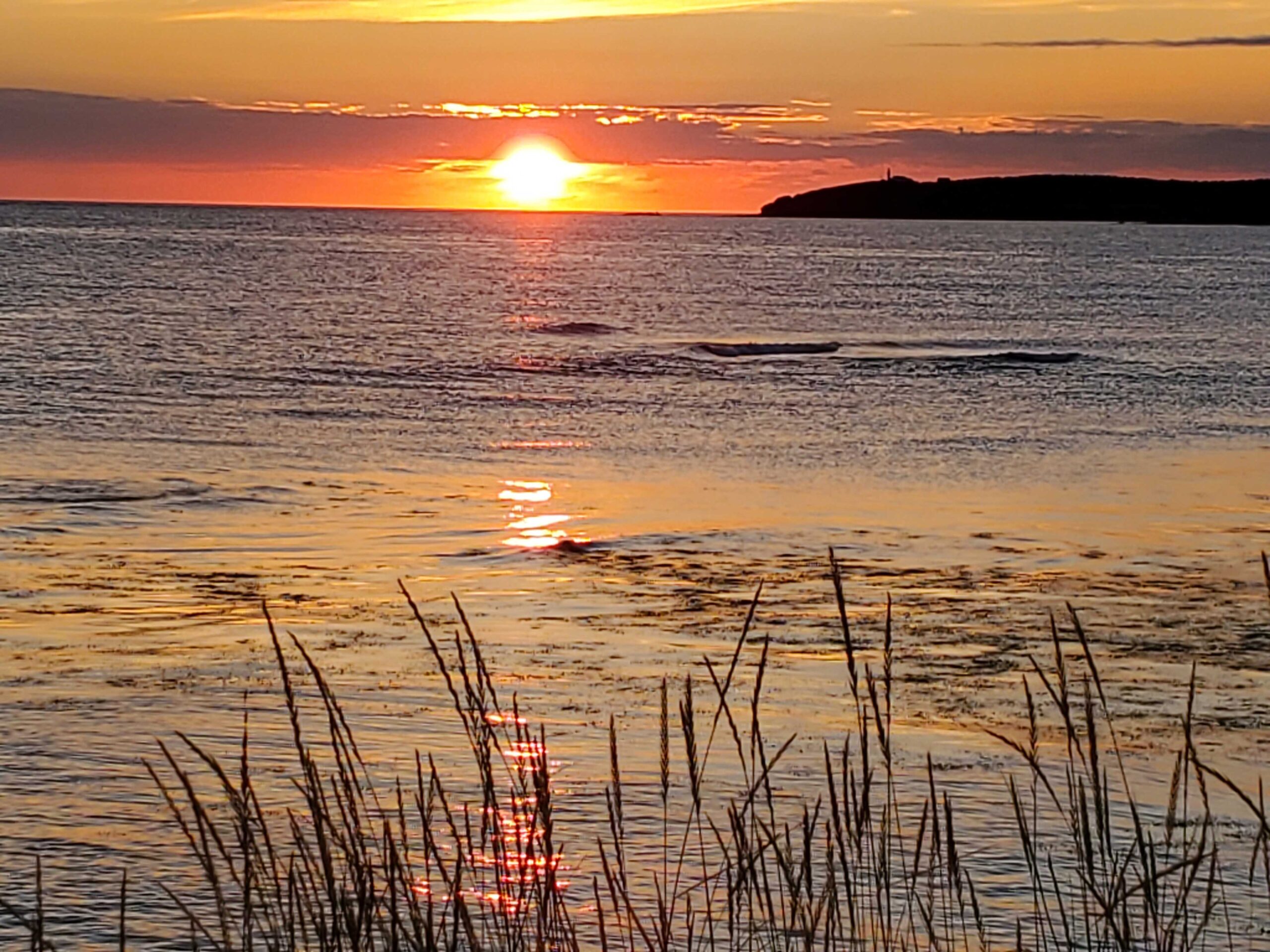
Amazing geography and photos!
Fantastic Pictures!! I might love that someday ! Mom C
Enjoying your trip and your photos.